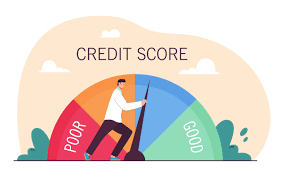
A credit score plays a major role in your financial life. It affects your ability to get loans, credit cards, favorable interest rates, and sometimes even housing or job opportunities. Many people feel confused or stressed about their credit score, especially when it is lower than expected. The good news is that it is possible to improve credit score with the right knowledge, habits, and consistency.
This guide explains what a credit score is, why it matters, and practical steps you can take to improve credit score over time.
What Is a Credit Score?
A credit score is a numerical representation of your creditworthiness. Lenders use it to estimate how likely you are to repay borrowed money. The score is calculated using information from your credit report, which includes your payment history, credit usage, length of credit history, and types of credit.
A higher credit score indicates responsible credit behavior, while a lower score suggests higher risk for lenders.
Why It Is Important to Improve Credit Score
Improving your credit score can open many financial doors. A strong credit score can help you:
- Qualify for loans more easily
- Secure lower interest rates
- Get higher credit limits
- Save money on interest over time
- Increase financial flexibility
Even a small increase in your credit score can make a meaningful difference in loan terms and overall financial stability.
Key Factors That Affect Your Credit Score
To improve credit score effectively, you must understand the main factors that influence it.
Payment History
Payment history is the most important factor. Late or missed payments can significantly damage your credit score. On-time payments consistently improve your score over time.
Credit Utilization
Credit utilization refers to how much of your available credit you are using. Using a high percentage of your credit limit can lower your score, even if you pay your bills on time.
Length of Credit History
A longer credit history generally helps improve credit score. Older accounts show lenders that you have experience managing credit.
Credit Mix
Having different types of credit, such as credit cards, installment loans, and mortgages, can positively affect your score.
New Credit Inquiries
Applying for too much new credit in a short period can temporarily lower your credit score.
Practical Steps to Improve Credit Score
1. Pay Bills on Time
The most effective way to improve credit score is to pay all bills on time. Set reminders or automatic payments to avoid late fees and negative marks on your credit report.
Even one missed payment can have a lasting impact, so consistency is essential.
2. Reduce Credit Card Balances
Lowering your credit card balances can quickly improve credit score. Aim to use no more than 30 percent of your available credit limit.
Paying down balances shows lenders that you manage credit responsibly.
3. Check Your Credit Report Regularly
Errors on credit reports are more common than many people realize. Review your credit report regularly to ensure all information is accurate.
If you find mistakes, dispute them promptly with the credit bureau. Correcting errors can result in a noticeable credit score increase.
4. Avoid Closing Old Accounts
Closing old credit accounts may reduce your credit history length and increase credit utilization. Keeping older accounts open, even if unused, can help improve credit score.
5. Limit New Credit Applications
Each time you apply for credit, a hard inquiry is recorded. Too many inquiries can signal financial stress and lower your score.
Only apply for new credit when necessary and space out applications over time.
6. Become an Authorized User
If a trusted family member or friend has a strong credit history, becoming an authorized user on their account can help improve credit score.
Their positive payment history and low utilization may reflect on your credit report.
7. Use Credit Responsibly
Using credit does not mean avoiding it completely. Making small purchases and paying them off in full each month demonstrates responsible usage.
This steady behavior helps improve credit score gradually.
How Long Does It Take to Improve Credit Score?
Improving credit score is not an overnight process. Small improvements may appear within a few months, especially if you reduce balances or fix errors.
Significant improvements can take six months to a year or more, depending on your starting point and financial habits. Patience and consistency are key.
Common Myths About Improving Credit Score
Many misconceptions prevent people from improving their credit effectively.
- Checking your own credit score does not lower it
- Carrying a balance does not improve credit score
- Closing credit cards does not always help
- Paying off debt instantly fixes credit
Understanding these myths can help you make better financial decisions.
Credit Score Improvement for Different Situations
After Missed Payments
If you have missed payments, focus on making all future payments on time. Over time, the impact of past mistakes will lessen.
After High Debt Levels
Create a repayment plan to reduce balances steadily. Even partial progress can help improve credit score.
With No Credit History
If you have little or no credit history, consider secured credit cards or small installment loans to start building credit.
Maintaining a Good Credit Score Long-Term
Once you improve credit score, maintaining it requires ongoing discipline. Continue paying bills on time, monitor credit usage, and review your credit report regularly.
Good credit habits not only protect your score but also support long-term financial health.
Final Thoughts
Improving your credit score is one of the most valuable financial goals you can pursue. It requires awareness, planning, and consistent effort, but the rewards are worth it.
By understanding how credit scores work and following practical steps like timely payments, low credit utilization, and careful credit management, you can improve credit score and strengthen your financial future.
A better credit score is not just a number. It is a foundation for greater financial confidence and opportunity.