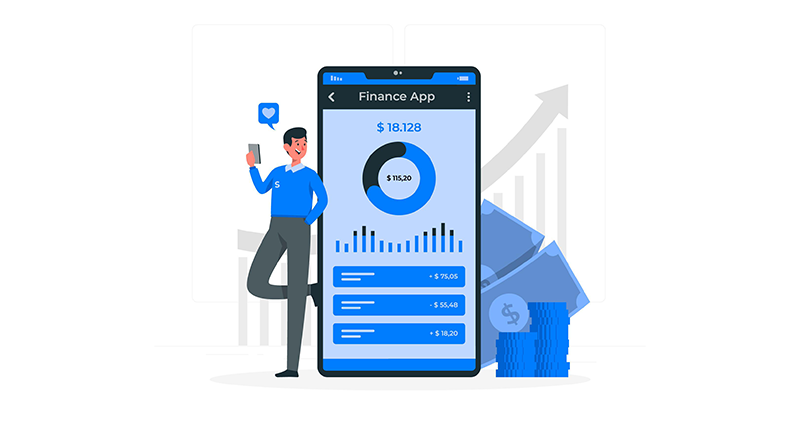
Managing money used to mean spreadsheets, notebooks, or trying to remember where your salary went each month. Today, money management apps have changed the way people track spending, save, invest, and plan for the future. These apps put your entire financial life in your pocket and help you make better decisions without needing a finance degree.
In this guide, we will explore what money management apps are, how they work, their benefits, key features to look for, and how to choose the right one for your needs.
What Are Money Management Apps?
Money management apps are digital tools designed to help individuals monitor, organize, and improve their finances. They connect to your bank accounts, credit cards, and sometimes investment platforms to give you a clear picture of your income, expenses, savings, and financial habits.
Instead of guessing where your money goes, these apps show real data in simple charts and summaries. Whether you want to create a budget, pay off debt, or save more each month, money management apps make the process easier and more structured.
How Money Management Apps Work
Most money management apps work by securely linking to your financial accounts. Once connected, the app automatically pulls transaction data and categorizes it. For example, grocery spending, rent, utilities, subscriptions, and entertainment are all grouped together.
Some apps allow manual entry, which is useful if you prefer privacy or deal mostly in cash. Others focus on automation and real-time tracking, updating your finances every time you make a transaction.
Based on this data, the app generates reports, spending insights, and alerts to help you stay on track.
Benefits of Using Money Management Apps
Better Control Over Spending
One of the biggest advantages of money management apps is awareness. When you see exactly how much you are spending on food delivery or subscriptions, it becomes easier to cut unnecessary expenses.
Easy Budgeting
Creating and sticking to a budget is much simpler with an app. Many money management apps let you set monthly spending limits for different categories and notify you when you are close to exceeding them.
Improved Saving Habits
Most apps allow you to set savings goals, such as an emergency fund or a vacation. Some even automate savings by moving small amounts of money into a separate account.
Debt Management
If you have loans or credit card balances, money management apps can track due dates, interest rates, and progress toward becoming debt-free. Seeing your debt decrease over time can be very motivating.
Time and Stress Reduction
Instead of logging into multiple bank apps or checking paper statements, everything is available in one place. This reduces financial stress and saves time.
Key Features to Look for in Money Management Apps
Not all money management apps are the same. Here are some essential features to consider before choosing one.
Budgeting Tools
Look for apps that allow flexible budgeting. Some people prefer category-based budgets, while others like zero-based budgeting where every dollar has a job.
Expense Tracking and Categorization
Automatic categorization saves time, but the app should also allow you to edit categories manually for accuracy.
Bank-Level Security
Security is critical. Good money management apps use encryption, two-factor authentication, and read-only access to your accounts.
Financial Insights and Reports
Clear charts, graphs, and summaries help you understand your financial behavior. Weekly or monthly reports are especially useful.
Goal Setting
Whether it is saving, investing, or paying off debt, goal-tracking features help you stay focused and disciplined.
Cross-Platform Access
A good app should work smoothly on mobile devices and desktops, syncing data in real time.
Types of Money Management Apps
Money management apps can be grouped into several categories based on their main focus.
Budgeting Apps
These apps focus on helping users plan monthly spending and control expenses. They are ideal for people who want strict financial discipline.
Expense Tracking Apps
Expense tracking apps are great for users who want to analyze spending patterns without following a rigid budget.
Savings Apps
Some apps specialize in helping users save money automatically by rounding up purchases or transferring small amounts regularly.
Investment and Wealth Apps
These apps combine money management with investing tools, allowing users to track net worth and long-term growth.
All-in-One Personal Finance Apps
These apps offer budgeting, expense tracking, savings, and sometimes investment tools in a single platform.
Are Money Management Apps Safe?
This is a common concern, and it is a valid one. Reputable money management apps use strong security measures similar to those used by banks. Most apps do not store your banking passwords and only have read-only access, meaning they cannot move money.
However, users should still follow best practices, such as using strong passwords, enabling two-factor authentication, and choosing well-reviewed apps with a strong reputation.
Free vs Paid Money Management Apps
Many money management apps offer free versions with basic features. These are often enough for simple budgeting and expense tracking.
Paid versions usually provide advanced features such as detailed reports, personalized insights, investment tracking, and priority support. Whether a paid app is worth it depends on your financial goals and how actively you want to manage your money.
How to Choose the Right Money Management App
Choosing the right app depends on your personal needs. Ask yourself a few questions:
- Do you want strict budgeting or simple tracking?
- Are you focused on saving, debt reduction, or investing?
- Do you prefer automation or manual control?
- Is ease of use more important than advanced features?
Trying a few apps for a short time can help you decide which one fits your lifestyle best.
Common Mistakes to Avoid
Even the best money management apps will not help if used incorrectly. One common mistake is ignoring the app after setup. Consistent use is key.
Another mistake is relying entirely on automation without reviewing transactions. Regularly checking your data ensures accuracy and helps you stay engaged with your finances.
The Future of Money Management Apps
Money management apps are evolving quickly. With artificial intelligence and machine learning, future apps will offer smarter insights, predictive budgeting, and more personalized advice.
As digital banking grows, these apps will become even more integrated into daily life, making financial management simpler and more accessible for everyone.
Final Thoughts
Money management apps are powerful tools for anyone who wants to take control of their finances. They simplify budgeting, improve saving habits, reduce debt, and provide clarity about where your money goes.
Whether you are just starting your financial journey or looking to optimize your spending, the right money management app can make a real difference. The key is choosing an app that matches your goals and using it consistently.
With the right approach, money management apps can turn financial stress into financial confidence.