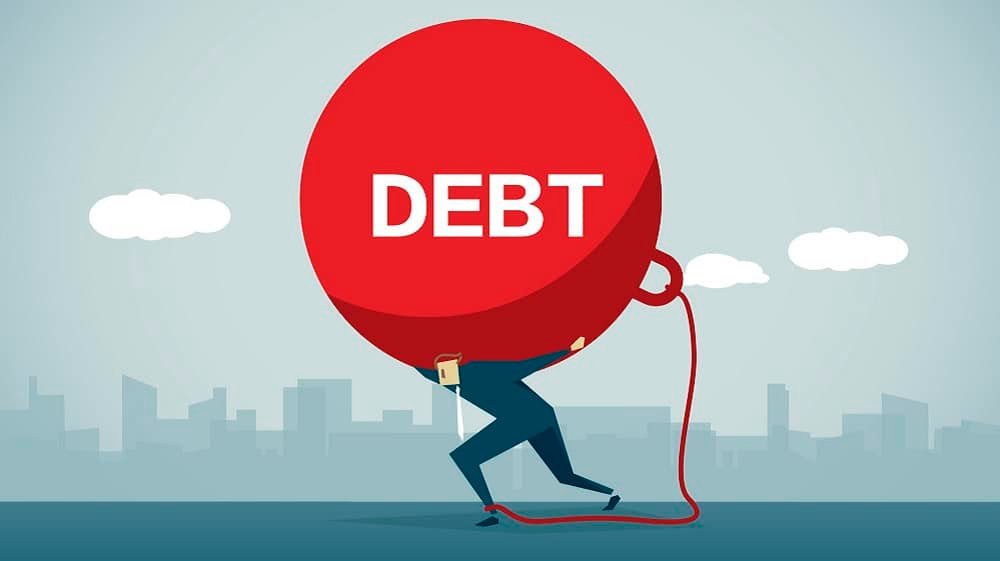
Public debt management is a critical function of government finance. It determines how a country borrows money, services its obligations, and maintains financial stability over time. When managed properly, public debt can support economic growth and development. When mismanaged, it can lead to fiscal stress, inflation, and long-term economic challenges.
This article explains the concept of public debt management, its objectives, tools, risks, and its role in maintaining economic stability.
What Is Public Debt Management?
Public debt management refers to the process by which a government plans, issues, services, and repays its debt in a sustainable and cost-effective manner. Public debt includes all borrowing by the government, such as treasury bills, government bonds, and external loans.
The goal of public debt management is not to eliminate debt entirely, but to ensure that borrowing is used responsibly and does not threaten economic stability.
Why Public Debt Management Is Important
Governments borrow to finance infrastructure projects, social programs, defense, and economic stimulus measures. Effective public debt management helps governments:
- Meet funding needs at the lowest possible cost
- Manage financial and refinancing risks
- Maintain investor confidence
- Support macroeconomic stability
- Avoid excessive debt burdens
Without proper public debt management, even necessary borrowing can become unsustainable.
Types of Public Debt
Understanding the types of public debt is essential for effective management.
Domestic Debt
Domestic debt is borrowed from within the country and is usually denominated in local currency. It includes government bonds held by banks, pension funds, and individual investors.
Domestic debt is generally easier to manage because it is not exposed to exchange rate risk.
External Debt
External debt is borrowed from foreign lenders and is often denominated in foreign currencies. While it can provide access to large amounts of capital, it carries exchange rate and foreign interest rate risks.
Short-Term and Long-Term Debt
Short-term debt matures quickly and requires frequent refinancing. Long-term debt spreads repayment over many years, reducing immediate pressure on government finances.
Objectives of Public Debt Management
The main objectives of public debt management include:
- Minimizing borrowing costs over the long term
- Managing risks related to interest rates, exchange rates, and refinancing
- Ensuring a stable and predictable debt structure
- Supporting the development of domestic financial markets
These objectives guide governments in designing debt strategies that balance cost and risk.
Key Principles of Public Debt Management
Transparency
Transparent debt management builds trust with investors, citizens, and international institutions. Governments should publish debt data, borrowing plans, and risk assessments regularly.
Sustainability
Debt levels must remain within a country’s capacity to repay. Sustainable public debt management ensures that future generations are not overburdened by today’s borrowing.
Risk Management
Effective public debt management identifies and mitigates risks such as currency fluctuations, interest rate changes, and rollover risk.
Coordination With Fiscal and Monetary Policy
Public debt management should align with fiscal policy and monetary policy to support overall economic goals.
Public Debt Management Strategies
Debt Maturity Management
Governments choose a mix of short-term and long-term debt to balance cost and risk. Longer maturities reduce refinancing risk but may involve higher interest costs.
Currency Composition
Managing the currency composition of debt helps reduce exposure to exchange rate volatility. Many countries aim to increase the share of domestic currency debt.
Interest Rate Structure
Governments decide between fixed-rate and floating-rate debt. Fixed-rate debt offers stability, while floating-rate debt may be cheaper in the short term.
Market Development
Developing a strong domestic bond market is a key part of public debt management. It provides stable financing sources and reduces reliance on external borrowing.
Tools Used in Public Debt Management
Governments use various tools to manage public debt effectively.
- Treasury bills and bonds
- Savings bonds
- Debt swaps and buybacks
- Medium-term debt strategies
- Risk modeling and stress testing
These tools help governments adjust their debt portfolios as economic conditions change.
Risks Associated With Public Debt
Interest Rate Risk
Rising interest rates can increase debt servicing costs, putting pressure on government budgets.
Exchange Rate Risk
External debt denominated in foreign currencies becomes more expensive when the local currency depreciates.
Refinancing Risk
If a large amount of debt matures at the same time, governments may struggle to refinance it at favorable terms.
Fiscal Risk
Weak revenue collection or unexpected expenditures can affect a government’s ability to service debt.
Public debt management aims to identify and minimize these risks.
Role of Institutions in Public Debt Management
Most countries have dedicated debt management offices responsible for executing borrowing strategies. These offices coordinate with finance ministries, central banks, and international organizations.
Strong institutional frameworks improve accountability and efficiency in public debt management.
Public Debt Management in Developing vs Developed Economies
In developed economies, public debt management focuses on market efficiency and risk diversification. These countries often have deep financial markets and strong investor bases.
Developing economies face additional challenges such as limited access to capital markets, higher borrowing costs, and currency risk. For them, effective public debt management is essential for economic stability and growth.
Impact of Public Debt Management on Economic Growth
Well-managed public debt can finance productive investments like infrastructure, education, and healthcare, which support long-term growth.
Poor public debt management, however, can crowd out private investment, increase inflation, and slow economic development.
Common Challenges in Public Debt Management
Governments often face challenges such as:
- Political pressure to increase spending
- Limited fiscal space
- External economic shocks
- Weak data systems
- Lack of skilled personnel
Addressing these challenges requires strong governance and long-term planning.
Future Trends in Public Debt Management
Public debt management is evolving with advancements in data analytics, digital reporting, and risk modeling. Greater emphasis is being placed on transparency, sustainability, and environmental considerations.
As global economic conditions become more complex, effective public debt management will remain a key priority for governments worldwide.
Final Thoughts
Public debt management is a vital component of sound economic governance. It ensures that government borrowing supports development without compromising financial stability.
By following clear objectives, managing risks, and maintaining transparency, governments can use public debt as a tool for growth rather than a source of crisis. In an increasingly interconnected global economy, strong public debt management practices are more important than ever.